Breast size doesn’t stay the same over time, and that’s completely normal. Many women experience breast size changes at different stages of life, sometimes gradually and other times more noticeably. These shifts can feel confusing, especially when they seem to happen without a clear reason.
What’s important to understand is that these changes are often the result of natural processes happening inside your body. Hormones, lifestyle, weight, and age all play a role in shaping how your breasts look and feel over time.
Recognizing what’s behind these transformations can help you feel more in control and make better decisions about how to respond to them.
What’s behind changes in size and shape
Most breast size changes are linked to how your body stores fat and how your hormones fluctuate over time. Breasts are mainly made up of fatty tissue and glandular structures, both of which respond to internal and external factors. Because of this, even small changes in your body can affect how your breasts look and feel.
Hormones like estrogen and progesterone play a key role in breast tissue. When these levels shift, whether during your menstrual cycle, pregnancy, or other stages, you may notice swelling, fullness, or even a decrease in size. These variations are normal, but they can sometimes feel inconsistent from one phase to another.
At the same time, body composition has a direct impact. Since fat is a major component of breast tissue, any weight gain or loss can lead to visible breast size changes**.** In some cases, these changes are subtle, while in others they can be more noticeable, especially after significant weight fluctuations.
It’s also important to consider that factors like skin elasticity and natural aging can influence how these changes appear. Even if the size itself doesn’t shift dramatically, the shape and firmness may change over time.
What to expect in your 20s
Your 20s are often seen as a stable period, but subtle breast size changes still occur more often than you might think.
Hormonal fluctuations during the cycle
Monthly hormonal shifts can cause temporary increases in size, sensitivity, or fullness. These changes are usually short-term but can feel significant depending on your body.
Birth control methods can also influence breast size, sometimes leading to noticeable differences in volume.
Weight and lifestyle impact
Even small weight changes can affect your breasts. Since fat plays a key role, gaining or losing weight can lead to proportional breast size changes.
Diet, hydration, and exercise habits also contribute to how firm or full your breasts appear, even if the actual size doesn’t drastically change.
What changes in your 30s
As you move into your 30s, breast size changes often become more noticeable due to major life events and gradual biological shifts.
Pregnancy and breastfeeding effects
Pregnancy can significantly increase breast size due to hormonal surges and milk production. After breastfeeding, many women notice a loss of volume or a different shape.
This is one of the most common reasons for long-term breast size changes, especially when the skin has stretched and doesn’t fully return to its previous state.
Shifts in firmness and structure
Even without pregnancy, your body begins to change. Collagen production slowly decreases, which affects skin elasticity. This can lead to a softer appearance or a slight loss of fullness.
At this stage, many women begin to notice that their breasts don’t look the same as they did a few years earlier.
What happens beyond your 30s
Over time, breast size changes are influenced more by aging and hormonal transitions than anything else.
Aging and loss of elasticity
As skin loses its ability to stay firm, breasts may begin to sag or appear smaller. This isn’t always due to actual size reduction, but rather a change in shape and support.
Fat distribution also shifts with age, which can further impact how your breasts look.
Hormonal changes and menopause
Later in life, hormonal fluctuations become more pronounced. Estrogen levels decrease, which can lead to reduced glandular tissue and overall volume.
These breast size changes can feel more permanent and may not respond to lifestyle adjustments alone.
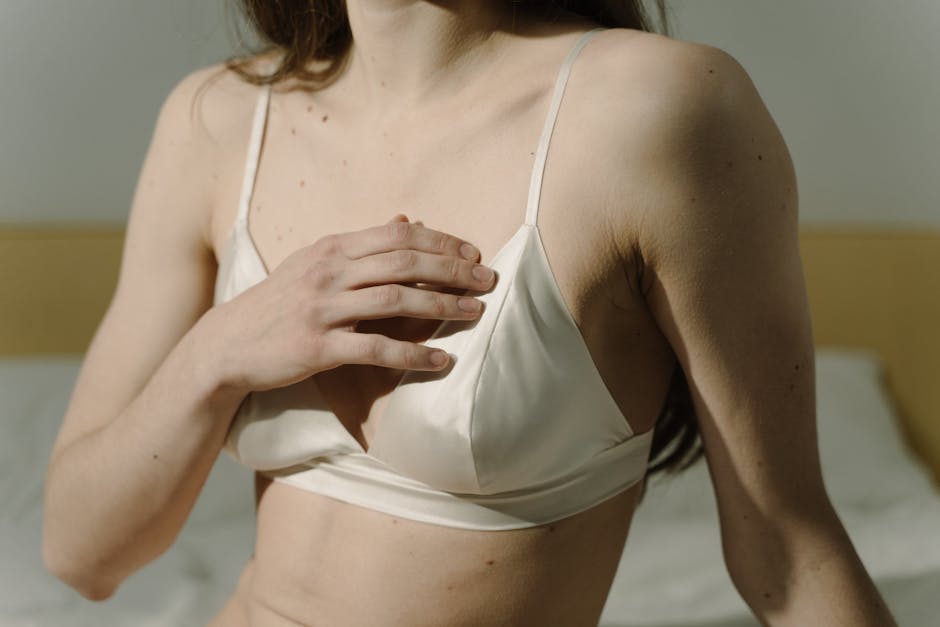
When lifestyle changes are not enough
Healthy habits can support your body, but they don’t always reverse structural changes.
Maintaining a stable weight, eating well, and staying active can help preserve overall appearance. However, they won’t restore lost volume or significantly alter breast shape once deeper changes have occurred.
This is why many women start exploring additional options when they feel their body no longer reflects how they want to look.
Options to restore volume and shape
When breast size changes involve noticeable volume loss or asymmetry, there are different approaches to consider.
Non-surgical options may improve skin quality slightly, but they don’t add volume in a meaningful way.
For those looking for a more defined and long-lasting result, breast augmentation becomes a more effective solution. This procedure is designed to restore fullness, improve proportions, and create a shape that aligns with your goals.
Why some women choose breast augmentation
Breast augmentation isn’t just about increasing size, it’s often about restoring what was lost due to breast size changes over time.
It can help:
- Rebuild volume after pregnancy or weight loss
- Improve symmetry
- Enhance overall body balance
For many, it’s a way to feel more confident and comfortable in their appearance again.
Feeling confident through every stage
Experiencing breast size changes is part of how the body evolves. While some changes are subtle, others can have a bigger impact on how you see yourself.
The key is recognizing that you have options. Whether you choose to embrace these changes as they come or explore ways to restore volume and shape, the decision should align with what makes you feel your best.
If you’re considering a long-term solution, exploring breast augmentation in Tijuana with Dr. Victor Sanchez can help you better understand what’s possible based on your goals and body type. A personalized consultation can provide clarity and guide you toward a result that feels natural and balanced for you.