
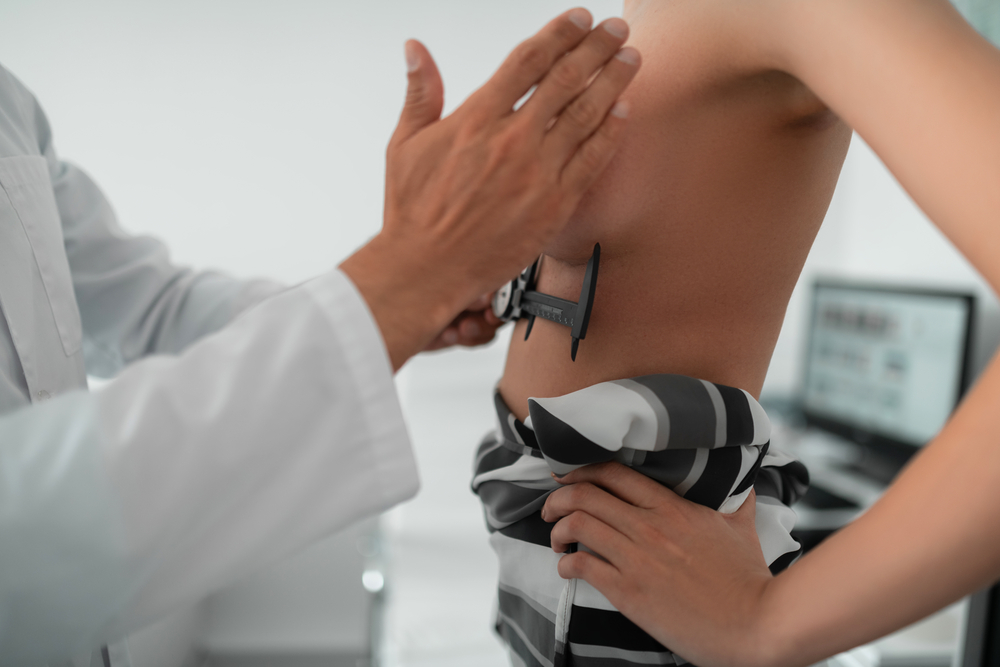
Choosing the right breast augmentation method involves more than just selecting a size. With several techniques and materials available, understanding the details of each is crucial. A detailed breast implant type comparison helps shed light on the differences between saline implants, silicone implants, and fat transfer options. Each choice carries specific advantages and considerations, especially in terms of aesthetics, texture, safety, longevity, cost, and recovery.
Saline vs. Silicone: What sets them apart?
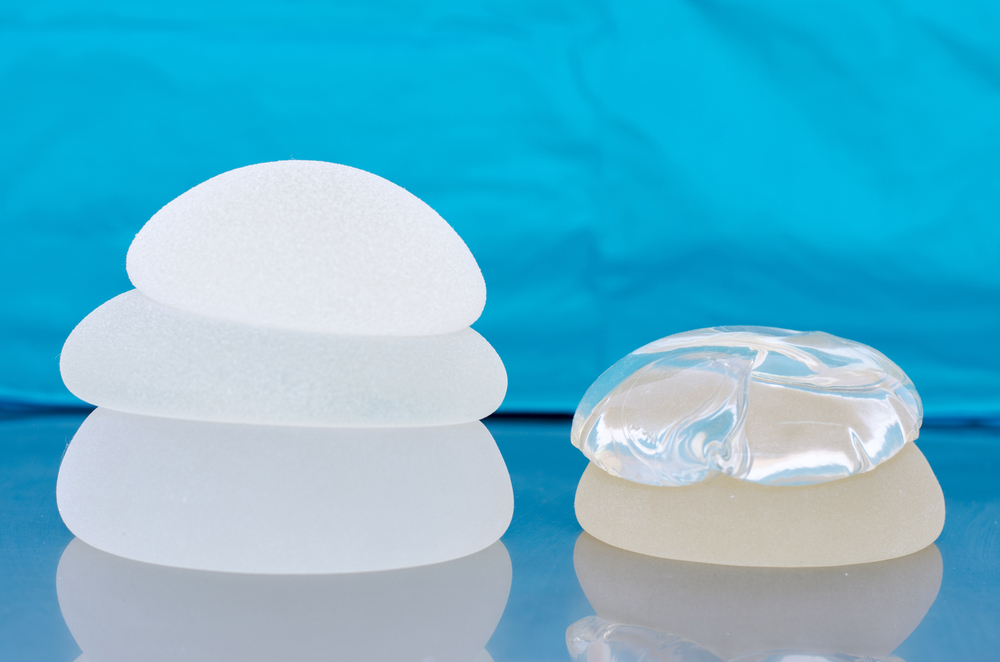
Among the most common augmentation options are saline and silicone implants. Both are enclosed in a silicone shell, but what sets them apart is what they’re filled with. Saline implants are filled with sterile saltwater, typically inserted empty and filled once in place. This method allows for smaller incisions and can be adjusted slightly after surgery. On the other hand, silicone implants come prefilled with a cohesive silicone gel that more closely mimics the natural feel of breast tissue.
Aesthetic outcome and natural appearance
From a visual perspective, silicone implants often provide a more natural appearance, especially in those with less existing breast tissue. The gel fills the implant more uniformly and avoids the rippling effect that can sometimes occur with saline. For that reason, many surgeons and patients favor silicone for its realistic look and feel. A comprehensive breast implant type comparison would show silicone’s edge in terms of aesthetics, especially in subglandular or submuscular placements.
Texture and Realism
In terms of texture, silicone tends to feel softer and more tissue-like. Saline, although firm, can occasionally feel less natural to the touch, particularly in those with leaner body types. When evaluating texture through a breast implant type comparison, silicone implants consistently rate higher on patient satisfaction surveys, particularly in long-term outcomes.
Safety Considerations
Safety remains a primary concern when choosing an implant. Saline implants present a key advantage: if rupture occurs, the body naturally absorbs the saline solution without harm. Detection is straightforward, as deflation is usually visible. Silicone ruptures, often termed “silent ruptures,” may not be immediately noticeable, and regular MRI or ultrasound checks are recommended to monitor implant integrity. As part of any breast implant type comparison, safety monitoring protocols must be considered when weighing pros and cons.
Fat transfer: A natural alternative
Fat transfer, while not a traditional implant, has become an increasingly popular alternative. This method involves removing fat from areas such as the abdomen or thighs via liposuction, purifying it, and then injecting it into the breasts. This technique eliminates the need for a foreign implant altogether and appeals to those seeking a modest enhancement with more natural results. However, fat grafting does not allow for the same volume increase as implants and results can be less predictable. In a well-rounded breast implant type comparison, fat transfer is often noted for its dual benefit of contouring donor areas while enhancing the chest.
Durability and long-term expectations
Durability varies slightly between the options, which can impact long-term satisfaction and planning:
- Modern saline and silicone implants: These are designed to last 10 to 20 years or more, though they are not considered lifetime devices. Regular monitoring and occasional replacement may be necessary.
- Fat grafting: While permanent in theory, fat grafting can experience partial absorption by the body, sometimes requiring multiple sessions to maintain the desired volume.
This aspect is crucial when performing a thorough breast implant type comparison, as longevity directly affects long-term satisfaction and planning.
Recovery process
Recovery experiences vary slightly depending on the chosen method. Both saline and silicone implants involve surgical incisions, positioning either above or below the muscle, and typically require a few weeks of downtime. During this period, it’s normal to experience swelling, discomfort, and temporary activity restrictions. On the other hand, fat grafting avoids the use of implants but still requires liposuction, which can lead to bruising and soreness in the donor areas.
While each technique has its own recovery timeline, it’s important to understand that healing is influenced by several factors, such as individual body type, implant placement, and the specific surgical approach used.
Make an informed decision!
Every surgical choice presents its own path toward confidence and body satisfaction. A complete breast implant type comparison brings clarity, helping to evaluate what matters most, whether it’s achieving a specific look, minimizing risks, or optimizing comfort during recovery. If you’re considering breast augmentation, Dr. Victor Sanchez is a leading board-certified expert in plastic surgery in Tijuana who combines technical expertise with a strong commitment to patient-centered care. Through tailored consultations and precise surgical planning, he ensures a safe, satisfying experience from start to finish.

Let this breast implant type comparison guide your next steps with clarity and confidence toward a result that enhances both your body and your self-esteem!