
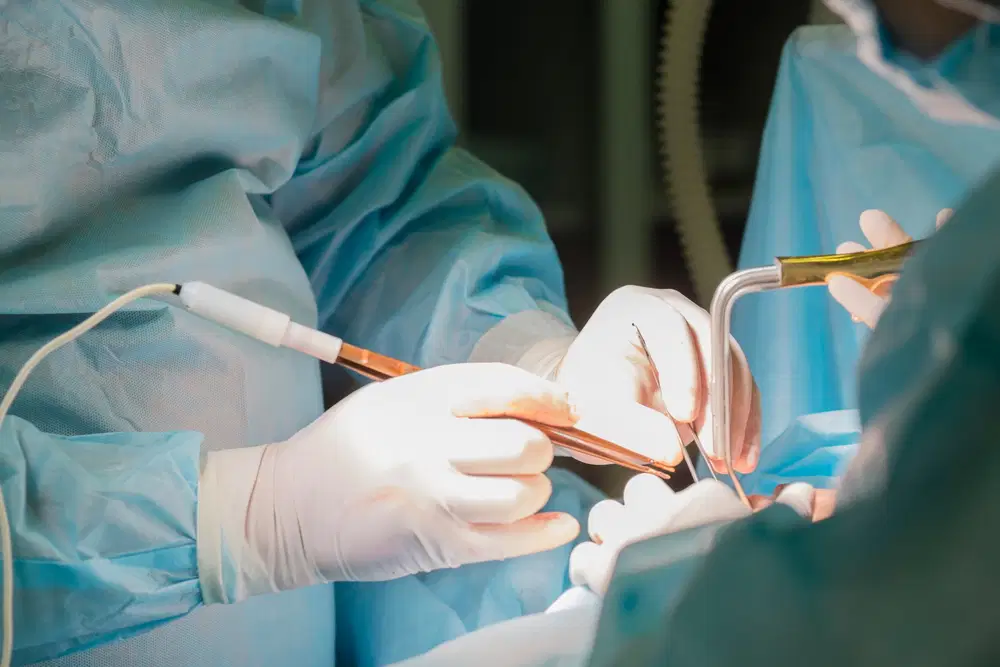
Undergoing surgery, whether for medical or cosmetic reasons, is a significant step that requires proper post-operative care to ensure successful recovery. Knowing what to do after operation can make a considerable difference in how you heal and the final outcome of your procedure. While your healthcare provider will give specific instructions, some common mistakes can impede healing. Here, we explore crucial steps in post-operative care and the pitfalls to avoid for optimal recovery.
Prioritize rest and recovery
What to do after operation starts with understanding the importance of rest. Resting is fundamental in allowing your body to heal. Pushing yourself too soon can lead to complications and prolong the recovery process. Many patients make the mistake of resuming their normal activities too early. Ensure you prioritize sufficient sleep and rest to allow your body the time it needs to recover.
Avoid overexertion
A common mistake people make when thinking about what to do after operation is underestimating the need to avoid physical exertion. Engaging in strenuous activities or heavy lifting can disrupt the healing process and put undue stress on surgical sites. Follow your doctor’s guidelines on what activities are safe to resume and give yourself the necessary time to gradually build up your strength.
Follow the medication plan
Part of knowing what to do after operation is adhering strictly to your medication plan. Pain management is vital, not just for comfort but for promoting mobility and facilitating recovery.
Don’t skip medications
Skipping doses of prescribed medications or not following your doctor’s instructions can lead to unnecessary pain and complications. Whether it’s antibiotics to prevent infection or painkillers to manage discomfort, ensure medication schedules are adhered to diligently.
Beware of overuse
Conversely, resist the temptation to overuse pain medications. Doing so can lead to dependence and other health issues. Stick to the prescribed doses and discuss any concerns about pain management with your healthcare provider promptly.

Focus on a balanced diet
Understanding what to do after operation includes focusing on a nutritious diet that supports your body’s natural healing processes. Proper nutrition promotes tissue regeneration and bolsters the immune system.
Avoid poor dietary choices
Avoid consuming foods lacking in essential nutrients. Incorporate a variety of fruits, vegetables, lean proteins, and whole grains into your meals to provide your body with the essential vitamins and minerals needed for recovery. Staying hydrated is crucial; ensure you’re drinking enough water throughout the day.
Care for incision sites
Part of what to do after operation involves meticulous care of your incision sites. Proper wound care prevents infections and supports healing.
Common mistake: Neglecting wound care
Neglecting to follow your doctor’s instructions on wound cleaning and dressing can lead to infections, which complicate and prolong recovery. Clean and change dressings as advised, and watch for signs of infection, such as redness, swelling, or unusual discharge.
Keep appointments
Another overlooked aspect of what to do after operation is adhering to follow-up appointments. These visits allow your surgeon to monitor your recovery, address any concerns, and make adjustments to your care plan as needed.
Forgetting follow-up appointments
Missing scheduled post-operative check-ups is a common mistake that can lead to unnoticed complications. Ensure that you prioritize these appointments as they are crucial for your surgeon to assess your healing and ensure that all is progressing as expected.
Adhere to activity restrictions
Understanding what to do after operation means recognizing the importance of activity restrictions. These measures are designed to prevent stress on your healing body.
Avoid resuming exercise too soon
Resuming exercise prematurely is a mistake that can lead to setbacks. Follow your doctor’s recommendations on when it’s safe to start activities like walking, running, or weight training. Gradual reintroduction is key to avoiding injury and promoting optimal recovery.
Maintain a positive mindset
Part of knowing what to do after operation involves supporting your mental health. Surgery can be an emotional experience, and maintaining a positive outlook can aid in recovery.
Mistake: Succumbing to anxiety
Post-surgery anxiety is normal but can hinder your recovery if not managed. Engage in relaxation techniques like meditation, breathing exercises, or gentle hobbies that help keep your mind calm and focused on healing.
Embracing a positive recovery outlook
Acknowledge the small improvements and milestones you achieve in your recovery journey. Maintaining a positive mindset empowers you to stay committed to your recovery plan and embrace each step of the process with patience and resilience.

Consult with experts for best guidance
When you’re unsure about what to do after operation, consulting with experienced professionals is crucial. For those considering cosmetic procedures like liposuction in Tijuana, Dr. Victor Sanchez is a reputable choice. Renowned for his skill and patient-focused approach, Dr. Sanchez offers guidance and support throughout your surgical journey, ensuring a safe and successful recovery. His expertise as the best option for plastic surgery procedures ensures you receive personalized care and comprehensive advice on how to avoid common post-operative mistakes.
Moving forward with assurance
Understanding what to do after operation and avoiding these common pitfalls ensures a smoother recovery and enhances surgical results. By following your surgeon’s advice and taking a proactive approach to your care plan, you set the stage for a successful healing journey. Remember, recovery is a process that requires time, care, and adherence to expert guidance. As you move forward, trust in the expertise of your medical team and the steps you’re taking toward regaining your health and well-being.